
Metallic Epoxy Flooring Systems
Professional Grade All In One Metallic Epoxy Systems


Your Metallic Epoxy Flooring System Consists Of:
An Epoxy Primer, A 100% Solids Pre-Pigmented Epoxy Base Coat, And a 100% Solids Metallic Body Coat.
Additional Primers, Moisture Vapor Barriers, and Top Coat Upgrades are Available Below
Need Help? Additional Details Or Browse Our Project FAQ’s
Starting at $479.95
Create Your Metallic Epoxy Floor System
Step 1 - Choose Your Square Footage
Please pick an option.
Step 2 - Choose Your Base Color *
Hover Over Color For Help In Choosing
Please pick an option.
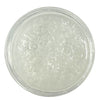
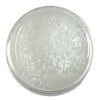
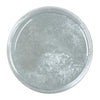
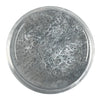
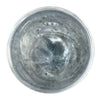
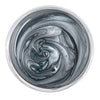
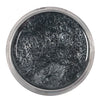
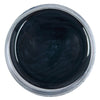
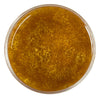
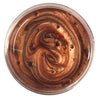
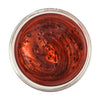
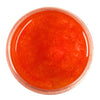
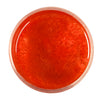
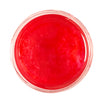
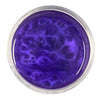
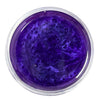
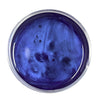
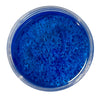
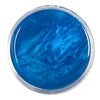
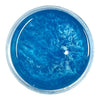
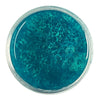
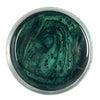
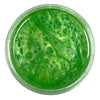
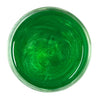
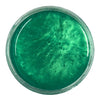
Step 3 - Choose Your Metallic Pigment Colors *
You’ll Get One Pigment For Every Kit Of Metallic Epoxy. Pick at least N based on KING.

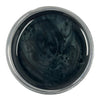
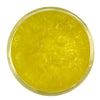
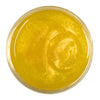

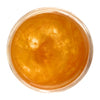

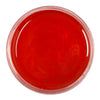
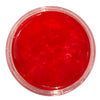
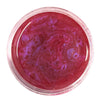


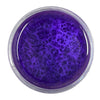




Please pick an option.
Primers and Moisture Vapor Barrier *
Please pick an option.
Top Coat *
Please pick an option.
Application Products and Tools
Please pick an option.
Additional Pigments


Please pick an option.
Nothing selected or a required block is missing a selection.
Metallic Epoxy Floor System Breakdown

Metallic Epoxy Floor Layers Explained
1Epoxy Primers
Your kit comes with a clear WB Epoxy primer to be used with ground concrete, and wood substrates. This primer prepares the surface for optimal adhesion, while minimizing the risk of bubbling.
Coverage rate is up to 250 SFPG. Upgrade to MVB for floors with high moisture content or Fusion Primer for non ground floors.
Let dry before step 2
2Base Coat
Your kit comes with a 100% Solids pre-pigmented commercial grade epoxy base coat. This ensures a strong solid foundation for the metallic epoxy. Base coat colors may affect your metallic color. Hover over your base coat color below for guidance or read more in our FAQs below.
Coverage rate is 133 - 150 SFPG.
Let dry before step 3
3Metallic Epoxy
Aka the "Body Coat" or "The Money Coat" is where all your design work is done. The metallic layer is where the beautiful colors are seen and all your artwork is done.
Your kit comes with 1 kit of metallic epoxy for every 150 SF of floor.
Let dry before step 4
4Top Coat
It's time to protect your floor. Metallic floors left unprotected will scuff, and scratch and wear prematurely.
Hover over our topcoats in the topcoat section or read in detail in our FAQs below to find which topcoat is for you.
Let dry 48 - 72 Hours
Metallic Epoxy Flooring System | Premium Designer Flooring Finishes
If you are looking for a metallic epoxy flooring system that delivers true depth, flowing movement, and a seamless high end finish, you are in the right place. This is not a basic epoxy product page and it is not a stripped down kit with missing components. This is a complete metallic floor system built for real world installation.
One Stop Epoxy Metallic Epoxy Flooring Systems are designed for contractors, installers, and serious DIY customers who want to build custom marbled floors with professional grade materials and realistic coverage rates. These systems are commonly used in homes, showrooms, retail spaces, offices, salons, studios, and other concrete floors where appearance matters just as much as performance.
Whether you are building a metallic epoxy garage floor, a designer interior floor, or a commercial statement floor, this system is designed to help you build it correctly from the ground up.
What Is a Metallic Epoxy Flooring System?
A metallic epoxy flooring system is a multi layer resinous floor system that uses epoxy coatings and metallic pigments to create a seamless floor with depth, character, and visual movement. Unlike a solid color coating, metallic epoxy is manipulated during installation to create unique patterns that can resemble marble, flowing metal, smoke, stone, or other custom artistic finishes.
Every metallic floor is different. That is one of the main reasons this system is so popular. No two metallic epoxy floors ever come out exactly the same. A properly built metallic epoxy flooring system typically includes:
- Concrete Surface Preparation: The essential foundation for a permanent bond.
- Optional Epoxy Primer: Seals the slab and prevents surface defects.
- Pigmented Epoxy Base Coat: The canvas that supports the metallic effects.
- High Build Metallic Epoxy Body Coat: The artist layer where the movement happens.
- Protective Clear Topcoat: The final shield for wear and UV resistance.
Each layer plays a critical role in both the final artisan appearance and the long term performance of the floor.
How Metallic Epoxy Floors Are Built
Metallic epoxy floors are not random decorative coatings. They are built in a step by step system where each layer affects the final result. When installed correctly, the floor has depth, gloss, movement, and a completely seamless appearance.
Step 1. Concrete Preparation
The concrete must be mechanically ground to open the surface and create the proper concrete surface profile for adhesion. Grinding is a critical part of the system. Acid etching, light sanding, or surface cleaning alone is not an acceptable substitute for proper mechanical preparation and will lead to bond failure.
Step 2. Primer Layer
We include a primer with every Metallic Epoxy Flooring Kit. An epoxy primer is used to improve bond, reduce outgassing, and help create a more uniform substrate for the rest of the system. Primers are especially useful on porous concrete and in situations where surface consistency matters. When upgrading to a Moisture Vapor Barrier (MVB), the MVB then replaces and becomes your primary anchor coat.
Step 3. Pigmented Base Coat
The base coat provides the background color that supports the metallic look. This layer helps create visual consistency across the floor and gives the metallic body coat the proper foundation to work from. Metallic epoxy is translucent, so you need a pigmented base coat underneath or you will see straight through to the concrete. Think of it like a mirror; without its reflective coating, it is nothing more than a clear piece of glass.
Step 4. Metallic Epoxy Body Coat
This is the layer where the signature metallic effect is created. Metallic pigments are blended into high build epoxy and then moved and manipulated during application to produce marbling, dimension, and custom visual flow. This is what gives metallic epoxy floors their unique artistic appearance.
Step 5. Protective Clear Topcoat
The system is then sealed with a protective topcoat to improve wear resistance, scratch resistance, cleanability, and long term service life. Depending on your project needs, this may be a high performance urethane topcoat or a rapid curing polyaspartic topcoat.
What Makes Metallic Epoxy Different?
Metallic epoxy floors are different from flake floors and solid color floors because the goal is not just coverage. The goal is visual impact. When properly installed, a metallic epoxy flooring system creates:
- Deep Visual Movement: 3D swirling effects that stay suspended in the resin.
- Light Reflecting Surfaces: High gloss finishes that brighten and open up interior spaces.
- Marbled Artistic Patterns: Unique flows that mimic natural stone or smoke.
- A Seamless Finish: No grout lines or joints to collect dirt or debris.
- A Custom Masterpiece: A floor that becomes the focal point of the entire room.
Coverage and Build Rate: The Artist Layer
Metallic epoxy floors are installed at a substantially heavier build than standard coating systems because the added film thickness helps create the depth and movement metallic floors are known for. If you do not have enough epoxy to allow for movement, then you will not have a metallic floor; you will have a flat, painted floor.
Metallic Layer Coverage
To achieve professional results, our metallic epoxy body coats are applied at approximately 50 square feet per gallon. At this rate, the metallic layer specifically is generally installed at roughly 32 mils thick.
Why Thickness Matters
This heavier application rate gives the metallic pigments room to move and develop 3D patterns as the resin cures. If applied too thin, the floor can lose the depth and character that make metallic epoxy floors stand out in the first place. While the total system build is thicker, this 32 mil artist layer is what creates the visual magic.
Common Applications
Metallic epoxy flooring systems are commonly installed in residential and commercial spaces where both appearance and durability are top priorities. These are spaces where a decorative, seamless, and easy to clean floor offers both significant visual value and long term functionality.
- Residential interior floors and luxury basements.
- High end garage floors and showrooms.
- Retail stores and specialty boutiques.
- Hair and nail salons and barber shops.
- Reception areas and designer office spaces.
- Day spas and wellness centers.
- Tattoo studios and art galleries.
- Restaurants and high end hospitality spaces.
- Specialty commercial interiors.
What Can Be Included in a Metallic Epoxy Flooring System?
Every concrete slab is different, which is why metallic epoxy flooring systems should be built around actual jobsite conditions rather than treated as one size fits all packages. Depending on the specific needs of your project, your professional system may include:
- Epoxy Primer: For improved substrate wetting, superior adhesion, and reduced outgassing.
- Moisture Vapor Barrier: High performance epoxy for slabs with elevated moisture vapor emission rates.
- Fusion Primer: A specialized solution for use when concrete conditions and profiles are favorable.
- 100% Solids Pigmented Base Coat: The essential foundation for color depth and opacity.
- 100% Solids Metallic Epoxy Body Coat: The high build layer engineered for pigment suspension and movement.
- Professional Grade Metallic Pigments: Concentrated powders that create unique 3D visual effects.
- Crack and Joint Repair Materials: For leveling the substrate before the coating process begins.
- Urethane or Polyaspartic Topcoat: High performance clear seals for durability and chemical resistance.
Instead of a one size fits all approach, our every available option strategy allows you to build the right system for your specific floor without paying for materials you do not need or leaving out components that matter.
Topcoat Selection Matters
We offer 6 different topcoats because the final layer is a critical part of the system. It affects not only the physical protection of the floor but also the final appearance and long term maintenance requirements.
Polyaspartic Topcoat
We offer our Poly Gloss 85 Slow Go polyaspartic topcoat. This system provides 60+ minutes of working time and lays down like a sheet of glass! It is the only product in our lineup that combines incredible ease of use with elite performance and excellent gloss retention.
Urethane Topcoat
Urethane topcoats are often selected when added scratch resistance and long term wear performance are the primary priorities. In many environments, they are an excellent choice for preserving the aesthetic appearance of the floor. Keep in mind that a slight orange peel texture is a natural characteristic of a urethane top coat.
Choosing the Right Finish
The correct topcoat choice depends entirely on your specific environment, the level of foot or vehicle traffic, expected chemical exposure, UV sun exposure, and how the floor will be utilized day to day.
Is a Metallic Epoxy Floor DIY Friendly?
A metallic epoxy floor can be installed by an experienced DIYer, but it is not the easiest decorative floor system to install. Specialty tools and professional equipment are required. Metallic systems are less forgiving than flake floors or solid color epoxy floors because your specific application technique directly dictates the final artistic appearance.
Important DIY Considerations
- Professional Chemistry: This is not a DIY epoxy kit from a big box store that is essentially enamel paint. The installation process and material behavior are entirely different.
- Substrate Preparation: The concrete must be properly ground or must meet the ideal conditions required for a Fusion Primer.
- Defect Visibility: Epoxy will not fill in surface imperfections. Cracks, divots, and surface defects must be repaired and leveled first.
- Precision Mixing: Mix ratios and working times must be followed to the letter. Because this is a chemical reaction, close does not count.
- Artistic Manipulation: The installer must understand how the movement of the metallic epoxy during the cure cycle affects the final look.
- No Shortcuts: Skipping steps or rushing the process will be visible in the finished floor.
- Thermal Constraints: Application in temperatures below 50 degrees or above 85 degrees can lead to avoidable challenges or total system failure.
For best results, the system should be installed as a full multi layer flooring system, not as a shortcut application.
Why Buy a Metallic Epoxy Flooring System From One Stop Epoxy?
There are plenty of metallic epoxy kits online, but many leave out critical materials, understate coverage needs, or oversimplify the installation process. One Stop Epoxy Metallic Epoxy Flooring Systems are built differently.
Built Like Real Floors Are Built
These systems are structured around the way professional metallic floors are actually installed in the field, not around stripped down product bundles designed to look cheaper on a screen.
Professional Grade Materials
We use high performance resins designed for serious floor installations. This is not watered down paint in epoxy clothing; these are 100% solids industrial grade materials.
Realistic Coverage Rates
Coverage and build rates are everything in metallic epoxy. Systems that are undersized can leave you short on material and short on the visual depth required for a true artisan finish.
System Flexibility
Not every project needs the exact same build. This page gives you the ability to customize your system around your specific slab condition, design goals, and performance expectations.
Build Your Metallic Epoxy Floor the Right Way
A metallic epoxy flooring system should do more than just coat concrete. It should create a seamless decorative floor with depth, movement, and long term durability. Choose your base color, select your metallic pigments, and choose the topcoat that fits your environment. Then, build a floor that looks custom because it is.
Frequently Asked Questions About Metallic Epoxy Flooring
What is a metallic epoxy floor?
A metallic epoxy floor is a multi layer coating system that uses 100% solids epoxy combined with metallic pigments to create a seamless surface with visual depth and movement. The pigments are manipulated during installation to form marbled, flowing, or stone like patterns. No two floors ever look the same.
How long does a metallic epoxy floor last?
When installed correctly over properly prepared concrete, a metallic epoxy floor can last 10 to 20 years or more. The lifespan depends on traffic, maintenance, and the topcoat used. Adding a high performance urethane or polyaspartic topcoat will extend the life of the system significantly.
Does a metallic epoxy floor require grinding?
Yes. Mechanical grinding is required for proper adhesion. Acid etching or pressure washing is not sufficient. Skipping this step is a leading cause of epoxy floor failure. In some cases, a Fusion Primer can be used as an alternative if your concrete meets the proper profile.
Is metallic epoxy slippery?
Metallic epoxy floors can be slippery when wet, especially with a high gloss finish. A light orange peel texture is a natural characteristic of urethane topcoats and can help improve traction. For commercial applications, we offer three component urethane systems with aluminum oxide for extreme slip resistance, though this will cloud the finish more than a standard clear.
Anti slip additives can also be added to the topcoat to improve traction. However, these should only be used when absolutely necessary, as they will significantly change the look and feel of the floor. Instead of a smooth glass like surface, the floor will take on a rough, sandpaper like texture that will be seen and felt, and it will make routine cleaning more difficult.
Will a metallic epoxy floor yellow over time?
Ambering is primarily a concern with white epoxy floors. The epoxy resin itself can amber over time when exposed to UV light. This is typically not noticeable in darker colors such as blues, blacks, and grays, and is often difficult to detect in tans, yellows, and browns. However, with white or very light floors, some ambering should be expected over the years.
The more direct and intense the sunlight, the faster the ambering process will occur. A UV stable topcoat, such as a polyaspartic or urethane, is highly recommended to help maintain the original appearance. However, it is important to understand that while these topcoats slow the process significantly, they will not entirely prevent the underlying epoxy from ambering over a long period of time.
Can metallic epoxy be installed in a garage?
Yes. Metallic epoxy can be installed in garages, but it is typically chosen for its high end appearance rather than for hiding concrete imperfections. Unlike flake floors, which provide heavy camouflage, metallic systems will highlight the concrete condition. Therefore, meticulous floor preparation and repair work are critical for a professional garage finish.
Can I install a metallic epoxy floor myself?
Metallic epoxy floors are not a one person installation. These systems require multiple people working in tight coordination to mix, pour, and manipulate the material within a limited working time window.
For smaller floors up to 400 square feet, a minimum of two people is required. For floors between 400 and 1,000 square feet, three people is more realistic. Larger projects often require four to six people to maintain a consistent finish and a wet edge across the entire surface. Attempting to install a metallic floor alone almost always leads to visible defects, uneven movement, and inconsistent results.
How thick is a metallic epoxy floor?
A metallic epoxy floor is a multi layer system, and the total thickness is the result of each layer working together. In most professional installations, the system will fall in the range of approximately 50 to 60 mils total.
The typical system breakdown is as follows:
- Primer or Moisture Vapor Barrier: Approximately 4 to 12 mils.
- 100% Solids Epoxy Base Coat: Approximately 10 to 12 mils.
- Metallic Epoxy Body Coat (The Artist Layer): Approximately 30 to 35 mils.
- Topcoat Sealer (Polyaspartic or Urethane): Approximately 4 to 8 mils.
The metallic body coat is where the visual depth and movement are created, but the full system build is what ensures a durable, properly installed floor. Each layer plays a vital role in adhesion, appearance, and overall mechanical strength.
What is the difference between metallic epoxy and flake epoxy floors?
Metallic epoxy floors are designed for maximum visual impact, featuring flowing movement and custom patterns that create a one of a kind appearance. Flake epoxy floors focus on consistency, durability, and texture, providing a more uniform and practical finish.
Flake systems are superior at hiding imperfections in the concrete and offer built-in slip resistance due to their textured surface. Metallic systems are smoother and more decorative, requiring a perfectly prepared substrate since any remaining imperfections will be visible through the resin. Additionally, metallic floors require more material, more labor, and a higher level of skill to install correctly.
How do you clean and maintain a metallic epoxy floor?
Metallic epoxy floors are remarkably easy to clean because they are seamless and non porous. Regular sweeping and occasional mopping with a neutral cleaner is usually all that is required to maintain the gloss. Avoid harsh chemicals or abrasive cleaning pads that could wear down the protective topcoat over time.
Advanced Metallic Epoxy Flooring Questions
Can metallic epoxy be applied over an existing coating?
In most cases, no. Metallic epoxy should be installed directly over properly prepared concrete. Existing coatings must be removed through mechanical grinding unless they are fully bonded and can be properly profiled. Even then, full removal is always the safer and recommended approach to prevent bond failure.
How do you control the movement of metallic pigments?
You do not directly control the pigments; you manipulate the epoxy resin they are suspended in. Once blended, the pigments move within the epoxy as it is spread and worked across the floor. Control comes from how the installer handles tools such as Magic Trowels, T-Bars, and rollers. Factors such as working time, material viscosity, and application thickness all influence how the pigments settle into their final marbled patterns.
What temperature range is best for installing metallic epoxy floors?
Most metallic epoxy systems perform best between 65°F and 80°F. Higher temperatures reduce your working time and limit your design flexibility, while lower temperatures increase viscosity and slow the material flow. It is critical to check the actual surface temperature of the concrete, as slabs can be significantly colder than the air temperature, leading to application challenges.
Do you need a moisture vapor barrier under metallic epoxy?
If the concrete slab has elevated moisture levels, a dedicated moisture vapor barrier epoxy must be installed prior to the metallic system. Unresolved moisture issues can cause delamination or visual defects (such as bubbles or clouding) in the metallic finish.
What causes bubbles or outgassing in metallic epoxy floors?
Bubbles are typically caused by outgassing from the concrete pores or air introduced during aggressive mixing. Outgassing occurs when air trapped within the concrete escapes as the slab warms up. To minimize this, always use a primer and mix your epoxy using a cage mixer at 300 to 450 RPM. Additionally, ensuring your basecoat is smooth and uniform like a sheet of glass before applying the metallic coat will virtually eliminate these defects.
Why does a metallic epoxy floor look muddy or overworked?
A muddy appearance is the result of excessive manipulation during installation. Metallic epoxy is designed to flow and create natural movement. When the material is worked too much—or worked after it has already begun to set—the pigments blend together too thoroughly, losing their distinct marbled look. In metallic epoxy, less manipulation typically produces a better, more professional result.
Is a polyaspartic topcoat recommended over metallic epoxy?
Traditional polyaspartics are often avoided because their 10 to 20 minute working times are too short to allow the material to level out, often leaving behind a heavy orange peel texture. However, newer advancements like our Poly Gloss 85 Slow Go offer extended working times of 60 minutes or more. This allows the material to level perfectly and produce the smooth, glass like finish that complements metallic floors while providing elite scratch resistance.
Can metallic epoxy be installed on vertical surfaces or walls?
No. Standard metallic epoxy systems are designed to self level and flow to the lowest point as they cure. Because of this slow cure and self leveling behavior, the material will sag and run on vertical surfaces. Vertical applications require completely different, thicker formulations designed specifically to hold their position without running.

Professional Grade
Professional grade systems trusted by contractors and serious DIY installers nationwide.

Nationwide Shipping
Free to the 48 contiguous states, with low cost shipping to Alaska and many Latin American countries.

Technical Support
Talk to real, experienced installers before, during, and after your project.

5 Star Rated Business
Positive reviews from a growing number of happy customers.